





Understanding the NBN Speed Tiers: A Guide for Growing SMBs
In today’s digitally driven business market, reliable internet isn’t just a convenience; it’s a cornerstone of productivity, communication, and growth. With remote work, cloud systems, video conferencing and online applications becoming business essentials, understanding the NBN speed tiers and choosing the right internet plan has never been more important for small and medium-sized businesses (SMBs).
This guide breaks down what you need to know about NBN speeds, how different activities influence your choice of plan, and how to find the best NBN plan for business needs.
What Are NBN Speed Tiers? Why They Matter for SMBs
NBN, Australia’s national broadband network, offers multiple speed tiers; each representing a combination of download and upload capabilities. These tiers are typically written in the format of download/upload speeds (for example, 100/40 NBN), indicating the maximum expected data throughput.
Understanding how these tiers work helps SMBs choose plans that match their operations, whether it’s simple web browsing, handling large file transfers, or hosting virtual meetings.
- • Download bandwidth refers to how fast data can be pulled from the internet to your devices. It affects activities such as streaming content, loading webpages, and downloading files.
- • Upload speeds measure how quickly your system can send data out. This is crucial for cloud backups, sending large files, and especially real-time collaboration tools like video conferencing.
Download Bandwidth vs Upload Speeds
For many business applications, upload speed matters just as much, if not more than download speed. Yet too often it’s overlooked when comparing plans.
Types of NBN Speed Tiers Explained
Here are some common NBN speed tiers you’ll see:
- • 25/5 Mbps (Basic): Suited only to very small, lightly connected teams — perhaps a sole trader or a two-person operation with minimal cloud usage. For any business with more than two or three active users, this tier is typically inadequate.
- • 50/20 Mbps (Standard): A step up that works for small businesses with modest connectivity needs. Video calls are possible but may suffer quality drops when multiple users are active simultaneously.
- • 100/40 Mbps (Standard Plus / Elite Starter): A genuinely capable tier for small to medium businesses. Handles simultaneous browsing, cloud applications, and video calls for teams of up to roughly ten users, depending on usage intensity.
- • 250/100 Mbps (Premium / Elite Pro): A significant leap that opens up meaningful headroom for growing teams. The jump in upload speed — from 40 to 100 Mbps — is particularly impactful for businesses that rely heavily on collaboration tools and cloud-based workflows.
- • 500/50 and 1000/100 Mbps (Ultrafast / Gigabit): Enterprise-level capacity. Suited to larger organisations, high-volume data users, or businesses running internal servers and transferring large files regularly
Each incremental jump increases both the speed and the cost, so choosing wisely means aligning performance with real business needs.
According to the Australian Competition and Consumer Commission (ACCC), actual speeds delivered can vary from the stated tier maximum, particularly during peak periods. This is why business-grade NBN plans, which typically include a higher quality of service guarantee, are preferable to residential alternatives for any organisation where connectivity is mission-critical.
100/40 vs 250/100 NBN: Which Suits Your SMB?
Two of the most compared tiers for SMBs are 100/40 vs 250/100 NBN. Let’s break down the differences:
100/40 NBN — A Versatile Business Starter
- • Up to 100 Mbps download speed.
- • Up to 40 Mbps upload speed.
- • Works well for:
- • Day-to-day operations and email.
- • Moderate cloud use.
- • Small teams of up to 5–8 users.
- • Cost-effective for startups and small offices.
This tier is typically the minimum recommended for businesses that host video calls, manage online files, and support multiple connected devices without significant performance issues.
250/100 NBN — When Your Team Needs More
- • Up to 250 Mbps download.
- • Up to 100 Mbps upload.
- • Optimal for:
- • Larger teams or offices with many devices.
- • Frequent file uploads to cloud platforms.
- • Multiple simultaneous video conferences.
- • Data-intensive workflows.
The boost in upload speeds, especially, makes a difference in real-time applications. For example, if your team regularly joins high-definition video calls or collaborates on shared documents, this tier ensures smoother experiences with fewer lags.
Note: Real-world speeds can vary depending on network congestion, connection type and equipment used — the figures above are typical maximums.

A Practical Speed Guide on How Your Business Uses Data
The “right” NBN plan depends on how your business uses the internet. Here’s a practical look at common SMB applications and the speeds that support them:
Everyday Office Work (light)
- • Email, basic browsing, and cloud storage access.
- • Minimal lag with one or two users.
- • Suitable speed: 50/20 or 100/40.
Video Conferencing & Cloud Tools
Video conferencing has become a staple for remote meetings and collaboration.
- • Standard HD video calls you around 1.5–4 Mbps upload/download per user.
- • Group calls, screen sharing, and interactive sessions can reach 6–8 Mbps or more per user.
Consider:
- • High upload requirements for screen sharing and broadcasting.
- • Multiple concurrent calls can multiply bandwidth needs.
- • 250/100 NBN or higher provides buffer capacity when multiple users are online simultaneously.
Large File Transfers & Cloud Workloads
If your work involves transferring heavy files (like CAD designs, video assets or large datasets), upload speeds can be a bottleneck. Choosing a tier such as 250/100 reduces wait times and improves productivity.
Why is it Essential to Choose the Best NBN Plan for Business
Selecting the right plan means considering not just raw speed numbers, but how your team works:
Scalability
Your business will grow. Plans with higher tiers, like 250/100, allow you to scale without disruptions as operations expand.
Reliability
Business-grade NBN plans often include features such as static IPs — beneficial for remote access, security systems, and dedicated services.
Productivity
Slow internet can cost time and frustrate teams. Faster upload and download rates keep workflows smoother and reduce delays during peak hours.
Contract Flexibility
Some providers offer month-to-month options, while others have long-term contracts. Choose based on your projected needs and risk tolerance.
Customer Support
Business internet issues can directly impact revenue. Good support, especially from an Australia-based team, can make troubleshooting faster and less painful.
Equipment and Setup
Ensure your plan includes or supports quality modems/routers capable of delivering the advertised speeds to your devices across Wi-Fi and wired connections.
Balancing Needs and Budget
Choosing the perfect NBN tier isn’t about picking the most expensive option — it’s about matching performance to your specific workflows. Here’s a simplified approach:
- • List key internet activities your team performs daily.
- • Estimate concurrent users during peak times.
- • Identify upload-intensive tasks (like video calls or cloud syncs).
- • Compare plans based on real usage, not just peak speeds.
By focusing on real business needs, you will likely find a plan that delivers great performance without unnecessary excess cost.
Practical Steps to Starting Your NBN Upgrade
Before finalising an NBN plan:
- • Check your business address for available technologies and speed capabilities.
- • Consider upgrading internal hardware to support higher speeds.
- • Consult with your team to understand performance pain points.
If you’re uncertain about the best tier for your business, providers with tailored advice can help you map plan choices to your actual usage.
For growing businesses seeking reliable internet connectivity and high-performance solutions, Trikon offers a range of tailored internet plans, including business-grade NBN options designed to support your operations and growth.
Choosing Trikon for Your Business Internet Needs
Trikon delivers a suite of business NBN plans that span from essential 100/40 tiers through to higher-capacity options like 250/100 NBN and beyond, ensuring your SMB gets the appropriate balance of speed, upload performance, and reliability.
Key features of Trikon’s internet plans include:
- • Unlimited data and static IP options for business use.
- • Plans tailored for small teams to large enterprises.
- • Australian-based customer support and flexible service options.
Whether you’re looking for efficient video conferencing, faster cloud operations, or a robust internet backbone to support remote work, our solutions cater to a range of business sizes and needs. Contact us today to speak with an expert adviser and find the best NBN plan to power your business forward.
Recent Post
-

How CCTV Video Analytics Transforms Customer Behaviour into Actionable Data
25/03/2026
-
NBN Speed Tiers for SMBs: Which Plan Does Your Business Actually Need?
14/03/2026
-

Essential Phone Answering Systems for Customer Loyalty
27/10/2025
-

5G Internet vs NBN: What Every Australian Business Needs to Know
17/10/2025
-

The Impact of NBN on Rural Connectivity
24/09/2025
-

How Business Phones and VoIP Can Improve Remote Team's Productivity
12/09/2025
-

Why CCTV Security Systems are Vital for Australian Businesses
29/08/2025
-

Trikon VoIP: The Game Changer for Small Business Communication
29/08/2025
-

NBN Pros & Cons: Comparing Internet Options in Australia
24/07/2025
-

Must-Have Features of a Business Phone System for Australian Business
11/07/2025
-
Trikon and Velocity Frequent Flyer
27/09/2023
-
Why the NBN is good for business?
30/05/2023
-

An Official Great Place to Work® Certified company!
11/05/2023
-

Factors to Consider While Choosing Hosted PBX Provider
08/02/2023
-

The Comprehensive Guide To VoIP Phone Systems
05/12/2022
-

Benefits of Cloud-Based Communications in eCommerce Business
25/11/2022
-

VoIP vs PBX: How to Choose the Right Phone System for Your Business
07/10/2022
-

Common Mistakes to Avoid When Choosing a Business VoIP Service
07/10/2022
-

5G and small businesses in Australia
27/01/2022
-

5G and the new era of Blockchain and NFT's
27/01/2022
-

The Significance of 5G in a Metaverse Universe
27/01/2022
-

Why does your business need a website?
27/01/2022
-

Trikon 5G is the perfect internet solution for Australian smart homes
15/10/2021
-

5G is not just another 'G'
16/08/2021
-

How can Australian businesses bounce back from the pandemic pandemonium
08/07/2021
-
Map of the new digital Australia
03/12/2020
-

Jump start business communication with hosted phone system
05/05/2020
-

6 tips to optimise & setup office internet
27/04/2020
-

Covid-19: not a pandemic for businesses
20/04/2020
-

Data usage & estimates
20/03/2020
-

SIP trunking: future of VoIP & streaming media
05/03/2020
-

Things you need to know about 5g
16/09/2019
-

The future is cloud communications
20/09/2019
-
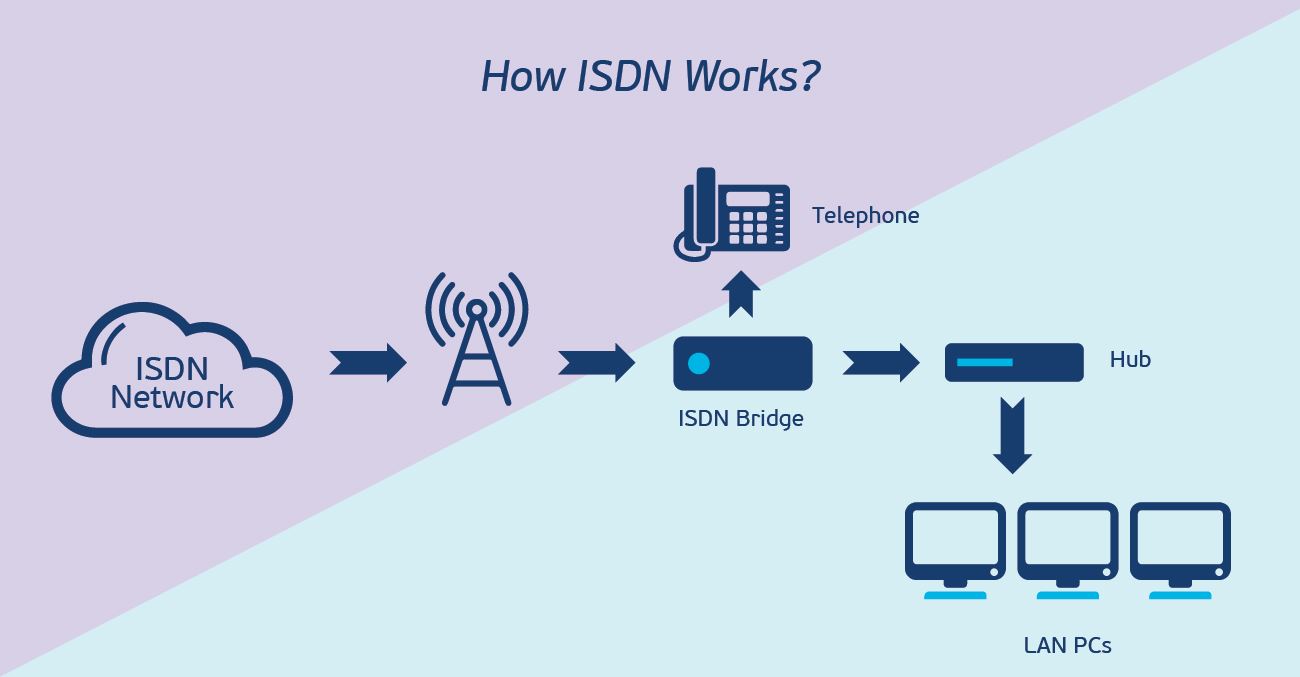
How to shift from ISDN to SIP lines, its value & utilities?
18/09/2019
-

Future ready small business phones systems & why you should shift to them
13/09/2019
-

How can managed printing help my business?
11/09/2019
-
Cloud phone vs old pbx systems
09/09/2019
-

Don’t lose on your small business connectivity
1/09/2019

Quick contact
Quick contact
Unbeatable Deals
Grab your phone and talk to us NOW!
Secure your network with the best Firewall Protection for just $10/day with a contract term of 36 months

Protect your premises with just $24.95* per CCTV camera/month with a contract term of 60 months
Boost your office tech with a massive 60% off on security, printing and communication gadgets!
Be part of something
extraordinary!
Join us and reinvent your career by collaborating with
world class teams and extraordinary individuals.











Customer Care call queue waiting: 
seconds