


Cyber Security 101: Protecting Your VoIP Systems from Vishing Attacks
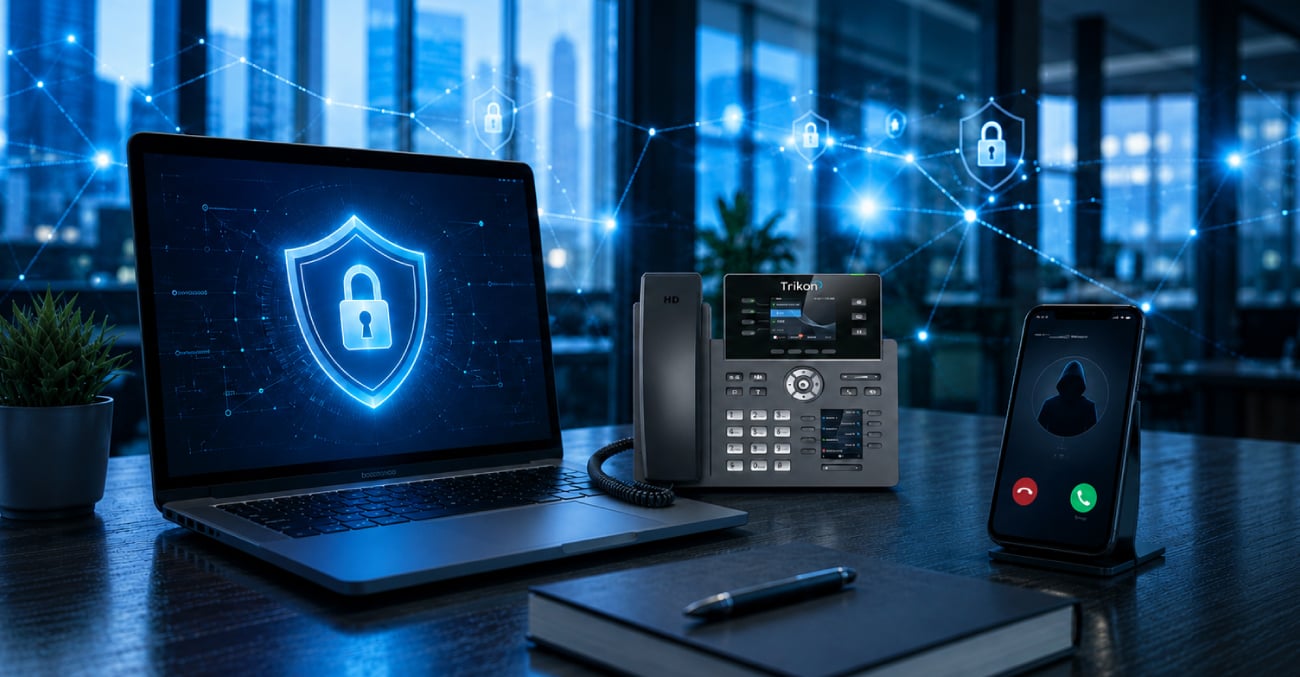
Modern businesses rely heavily on digital communication, and Voice over Internet Protocol (VoIP) has become a cornerstone of this transformation. While VoIP delivers flexibility, cost-efficiency, and scalability, it also introduces new cyber risks—particularly voice phishing, or vishing.
For organisations across Australia, strengthening VoIP security is no longer a technical luxury—it is a business necessity. As cybercriminals increasingly target communication systems, understanding vishing prevention is essential to protecting sensitive data, finances, and reputations.
This comprehensive guide explores how vishing attacks work, why VoIP systems are vulnerable, and how businesses can build a resilient cyber security strategy.
What Is VoIP Security? Why It Matters
VoIP security refers to the protection of internet-based voice communication systems from unauthorised access, misuse, and cyber threats. Unlike traditional phone lines, VoIP transmits voice as digital packets across networks; making it more flexible, but also more exposed.
Without proper safeguards, businesses risk:
- • Data interception and call eavesdropping
- • System breaches and account takeovers
- • Financial fraud through unauthorised calls
Encryption protocols like TLS and SRTP are commonly used to secure VoIP communications and prevent interception.
In the context of business cybersecurity in Australia, protecting VoIP systems is critical, especially as more organisations adopt cloud-based communication platforms.
What Is Voice Phishing (Vishing)?
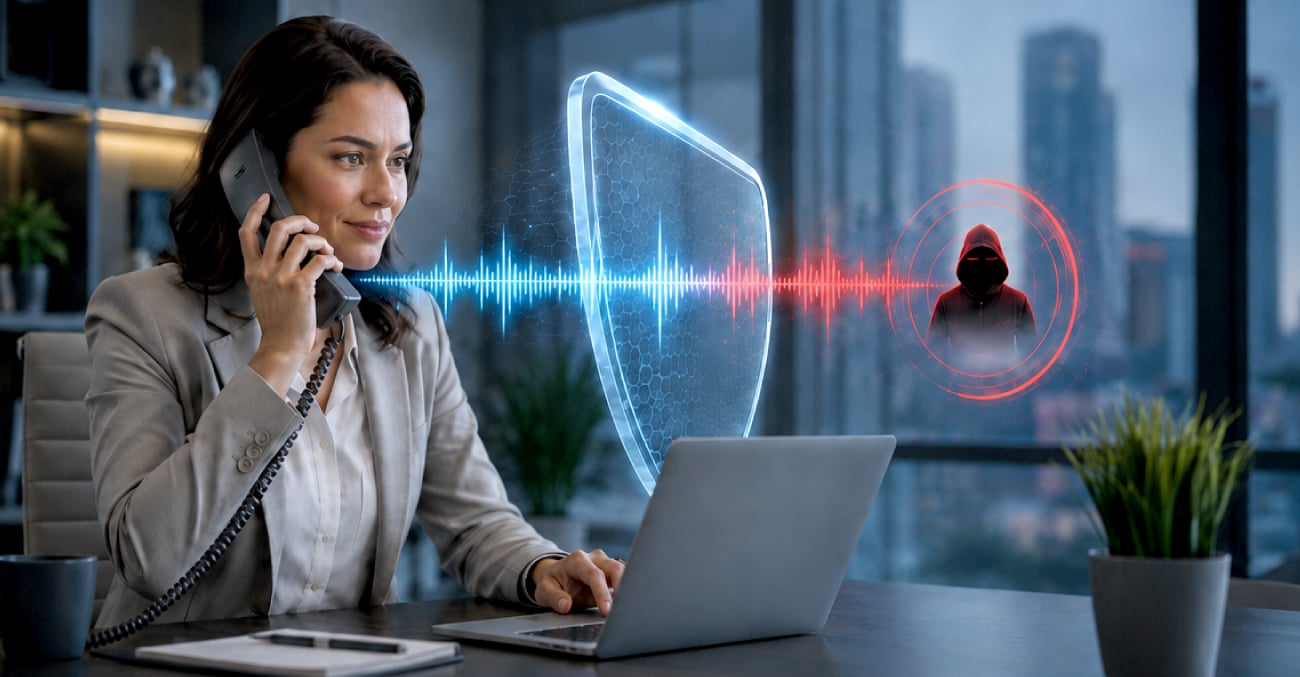
Voice phishing is a form of social engineering where attackers use phone calls to manipulate individuals into revealing sensitive information.
Unlike email phishing, vishing relies on human interaction and trust. Attackers often impersonate:
- • Banks or financial institutions
- • IT support teams
- • Government agencies
- • Senior executives within the company
VoIP technology makes these attacks easier by enabling caller ID spoofing and large-scale automated calling.
Why VoIP Systems Are a Prime Target for Cybercriminals
VoIP systems are particularly attractive targets because they:
- • Operate over the internet, allowing remote exploitation
- • Support caller ID manipulation
- • Enable low-cost, high-volume attack campaigns
- • Integrate with CRM and cloud systems
These factors make it easier for attackers to scale their operations and increase success rates.
Common VoIP Vulnerabilities
Weak SIP Trunk Security
SIP (Session Initiation Protocol) is the backbone of VoIP communication. Poor SIP trunk security can lead to:
- • Call hijacking
- • Toll fraud
- • Unauthorised system access
Attackers often scan networks for open SIP ports and exploit weak credentials.
Lack of Multi-Factor Authentication
Without multi-factor authentication (MFA), a single compromised password can grant full system access. MFA adds an extra layer of protection, significantly reducing breach risks.
Inadequate Network Firewalls
Improperly configured network firewalls allow malicious traffic to enter systems, increasing the likelihood of attacks such as:
- • Denial-of-service (DoS)
- • Unauthorised access attempts
Human Vulnerability
Employees are often the weakest link. Even with strong technical controls, a convincing vishing call can bypass security measures.
The Anatomy of a Voice Phishing Attack
A typical vishing attack follows a structured approach:
Information Gathering
Attackers collect details about your business, employees, or suppliers.
Caller ID Spoofing
Using VoIP tools, they disguise their number to appear legitimate.
Social Engineering
They create a sense of urgency or authority to pressure the victim.
Data Extraction
Victims unknowingly share credentials or financial information.
Exploitation
Stolen data is used for fraud, unauthorised access, or further attacks.
Real-World Impact on Businesses
The consequences of a successful vishing attack can be severe:
- • Financial loss from fraudulent transactions
- • Exposure of sensitive customer data
- • Damage to brand reputation
- • Regulatory penalties
For Australian businesses, these risks can also lead to compliance issues under privacy laws.
Essential Strategies for Vishing Prevention and VoIP Security
Enable Multi-Factor Authentication Across Systems
Implementing multi-factor authentication ensures that even if credentials are stolen, attackers cannot easily access your systems.
Strengthen SIP Trunk Security
Improve SIP trunk security by:
- • Using strong, unique passwords
- • Restricting access to trusted IP addresses
- • Regularly updating firmware and configurations
Deploy Robust Network Firewalls
A properly configured network firewall acts as a gatekeeper, blocking suspicious traffic and preventing unauthorised access.
Encrypt All Voice Communications
Encryption protects voice data from interception. Secure VoIP systems use encrypted signalling and media transmission to safeguard calls.
Train Employees to Detect Voice Phishing
Employee awareness is one of the most effective defences. Train staff to:
- • Verify caller identities
- • Avoid sharing sensitive information over calls
- • Report suspicious activity immediately
Monitor and Audit VoIP Activity
Continuous monitoring helps detect anomalies such as:
- • Sudden spikes in international calls
- • Repeated failed login attempts
- • Unusual call patterns
Real-time alerts enable quick response to potential threats.
Advanced VoIP Security Measures for Modern Businesses
Adopt Role-Based Access Control
Limit access to sensitive systems based on job roles. This reduces the risk of internal misuse and accidental exposure.
Segment Your Network
Separating VoIP traffic from general network traffic reduces the impact of a breach and prevents lateral movement within systems.
Use Secure VoIP Providers
Choose providers that prioritise VoIP security with features such as:
- • Encrypted communication
- • Fraud detection tools
- • Secure cloud infrastructure
Implement Continuous Monitoring and Alerts
Advanced monitoring tools can detect:
- • Suspicious login attempts
- • Unusual call volumes
- • Geographic anomalies
Early detection is key to preventing major incidents.
Regular Security Testing and Updates
Conduct:
- • Vulnerability assessments
- • Penetration testing
- • System updates
Keeping systems up to date ensures protection against evolving threats.
How to Build a Strong Business Cyber Security Strategy in Australia
Compliance and Risk Management
Australian businesses must align their VoIP security practices with:
- • Data protection regulations
- • Industry-specific compliance standards
- • Customer privacy requirements
A proactive approach to business cyber security helps mitigate legal and operational risks.
Future Trends in VoIP Security
As cyber threats evolve, businesses should adopt:
- • AI-driven threat detection
- • Behavioural analytics
- • Zero-trust security models
These technologies enhance the ability to detect and prevent sophisticated vishing attacks.
Strengthen Your VoIP Security with Trikon
Protecting your business from Voice phishing requires more than basic security measures—it demands a comprehensive, proactive approach to VoIP security. From implementing multi-factor authentication and strengthening SIP trunk security to deploying advanced network firewalls, every layer plays a critical role.
For Australian businesses seeking a secure and scalable communication solution, Trikon offers a powerful advantage. Our VoIP platform is designed with security and reliability at its core, featuring encrypted communication, role-based access controls, audit logs, and IP allow-listing to protect against unauthorised access.
With additional capabilities such as cloud-hosted infrastructure, CRM integrations, softphone flexibility, and proactive system monitoring, we empower businesses to communicate efficiently while maintaining strong cybersecurity standards.
Don’t let vishing attacks compromise your business.
Partner with Trikon today to enhance your VoIP security, protect your data, and ensure seamless, secure communication across your organisation.
Recent Post
-
Cloud CCTV Storage vs. Local NVR: Best Retail Shop Security Guide
25/06/2026
-

Why Every Business Needs a Business Internet Failover Strategy
16/06/2026
-
Beyond Voicemail: How AI Call Summaries Automate Business Communication
29/05/2026
-
VoIP Security 101: How to Protect Your Business from Vishing
25/05/2026
-
How AI Business Phone Features are Transforming VoIP for Sales Teams
27/04/2026
-

NBN Enterprise Ethernet vs. Standard NBN: Why Your Business Needs an Upgrade
22/04/2026
-

How CCTV Video Analytics Transforms Customer Behaviour into Actionable Data
25/03/2026
-
NBN Speed Tiers for SMBs: Which Plan Does Your Business Actually Need?
14/03/2026
-
Essential Phone Answering Systems for Customer Loyalty
27/10/2025
-

5G Internet vs NBN: What Every Australian Business Needs to Know
17/10/2025
-
The Impact of NBN on Rural Connectivity
24/09/2025
-
How Business Phones and VoIP Can Improve Remote Team's Productivity
12/09/2025
-
Why CCTV Security Systems are Vital for Australian Businesses
29/08/2025
-

Trikon VoIP: The Game Changer for Small Business Communication
29/08/2025
-
NBN Pros & Cons: Comparing Internet Options in Australia
24/07/2025
-
Must-Have Features of a Business Phone System for Australian Business
11/07/2025
-
Trikon and Velocity Frequent Flyer
27/09/2023
-
Why the NBN is good for business?
30/05/2023
-

An Official Great Place to Work® Certified company!
11/05/2023
-
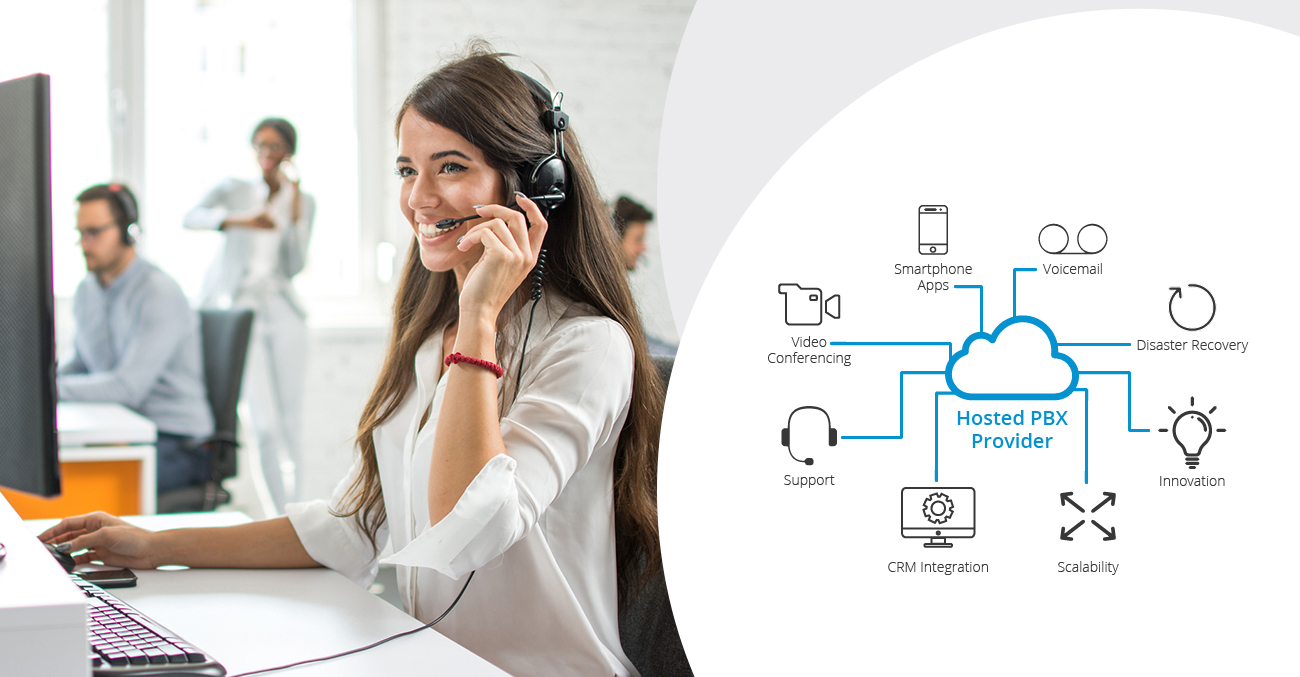
Factors to Consider While Choosing Hosted PBX Provider
08/02/2023
-
The Comprehensive Guide To VoIP Phone Systems
05/12/2022
-

Benefits of Cloud-Based Communications in eCommerce Business
25/11/2022
-

VoIP vs PBX: How to Choose the Right Phone System for Your Business
07/10/2022
-

Common Mistakes to Avoid When Choosing a Business VoIP Service
07/10/2022
-

5G and small businesses in Australia
27/01/2022
-

5G and the new era of Blockchain and NFT's
27/01/2022
-

The Significance of 5G in a Metaverse Universe
27/01/2022
-

Why does your business need a website?
27/01/2022
-

Trikon 5G is the perfect internet solution for Australian smart homes
15/10/2021
-

5G is not just another 'G'
16/08/2021
-

How can Australian businesses bounce back from the pandemic pandemonium
08/07/2021
-

Map of the new digital Australia
03/12/2020
-
Jump start business communication with hosted phone system
05/05/2020
-
6 tips to optimise & setup office internet
27/04/2020
-
Covid-19: not a pandemic for businesses
20/04/2020
-
Data usage & estimates
20/03/2020
-

SIP trunking: future of VoIP & streaming media
05/03/2020
-

Things you need to know about 5g
16/09/2019
-
The future is cloud communications
20/09/2019
-
How to shift from ISDN to SIP lines, its value & utilities?
18/09/2019
-

Future ready small business phones systems & why you should shift to them
13/09/2019
-

How can managed printing help my business?
11/09/2019
-
Cloud phone vs old pbx systems
09/09/2019
-

Don’t lose on your small business connectivity
1/09/2019

Quick contact
Quick contact
Unbeatable Deals
Grab your phone and talk to us NOW!
Secure your network with the best Firewall Protection for just $10/day with a contract term of 36 months
Protect your premises with just $24.95* per CCTV camera/month with a contract term of 60 months
Boost your office tech with a massive 60% off on security, printing and communication gadgets!
Be part of something
extraordinary!
Join us and reinvent your career by collaborating with
world class teams and extraordinary individuals.










Customer Care call queue waiting: 
seconds